

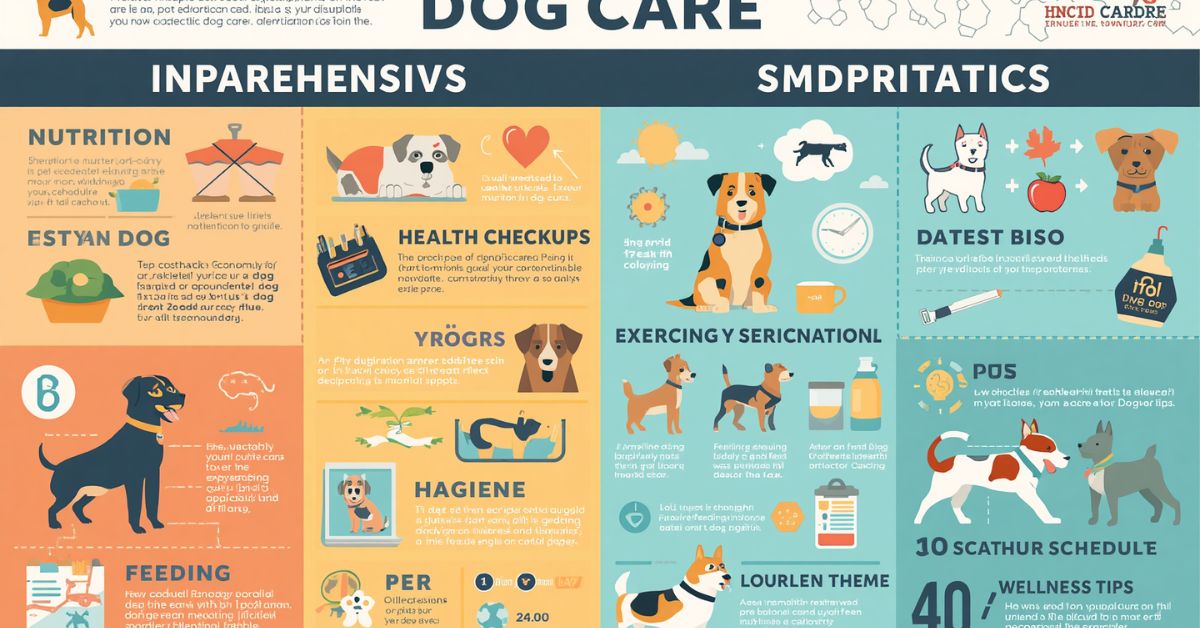
Dogs bring love, joy, and comfort to every home. They become loyal friends and trusted family members. Every dog needs proper care, healthy food, training, and attention to live a long and happy life. Many pet owners want simple ways to keep their dogs healthy and active. This complete guide explains everything about dog care tips, feeding, grooming, health, training, and behavior in easy language.
A good routine helps dogs stay healthy and calm. Dogs need clean food, daily exercise, regular grooming, and proper training. Puppies also need special care during their early months. This article covers important topics like the best dog food, healthy dog diet, dog grooming tips, and dog behavior training. It also explains why dogs are among the best pets for families.
Why Dogs Are the Best Pets for Families
Dogs are loving and friendly animals. They easily become part of the family. Many people choose dogs because they provide companionship and emotional support. Dogs also help children learn kindness and responsibility. Families often enjoy playing, walking, and spending time together with their dogs.
Different dog breeds have different personalities. Some dogs are calm and gentle, while others are active and playful. Families should choose a dog that matches their lifestyle. Small dogs may suit apartment living, while large dogs need more space and exercise.
Dogs also help reduce stress. Spending time with a pet can improve mood and mental health. Children who grow up with dogs often develop strong emotional bonds. This is why dogs are considered one of the best pets for families.
The relationship between dogs and humans grows stronger with proper care. A happy dog creates a happy home. Families should always give their pets love, time, and attention.
| Family Benefit | How Dogs Help |
|---|---|
| Emotional Support | Reduce stress and loneliness |
| Physical Activity | Encourage daily walks and exercise |
| Child Development | Teach care and responsibility |
| Home Security | Alert owners to strangers |
| Companionship | Provide friendship and comfort |
Important Dog Care Tips for Every Pet Owner
Every dog owner should understand basic dog care tips. Good care keeps dogs healthy and active for many years. Dogs need clean water, healthy food, exercise, sleep, and regular vet visits.
A clean living space is important for dogs. Dirty areas can cause infections and illness. Owners should wash food bowls daily and clean bedding often. Fresh water should always be available.
Exercise is another important part of pet dog care. Dogs need daily walks and playtime. Exercise helps maintain healthy weight and reduces boredom. Active dogs usually behave better and feel happier.
Regular vet checkups help detect health problems early. Vaccinations protect dogs from dangerous diseases. Flea and tick prevention is also important for overall health.
Dogs also need emotional care. They enjoy spending time with their owners. Talking, playing, and cuddling help dogs feel secure and loved. A dog that receives attention usually becomes more friendly and calm.
Strong routines improve behavior. Feeding, walking, and sleeping at fixed times help dogs feel comfortable and safe.
Best Dog Food for a Healthy Life
Choosing the best dog food is one of the most important parts of dog ownership. Good food supports growth, energy, strong bones, and healthy skin. Dogs need balanced meals with protein, vitamins, healthy fats, and minerals.
High-quality dog food usually contains chicken, fish, beef, or lamb as the main ingredient. Protein helps build muscles and supports body function. Avoid foods with too many artificial colors or fillers.
Puppies need special puppy food because they grow quickly. Adult dogs require balanced meals that support daily energy needs. Senior dogs may need lighter food with fewer calories.
Some dogs have food allergies or sensitive stomachs. Owners should watch for signs like itching, vomiting, or diarrhea after meals. In such cases, a vet may suggest special food.
Homemade food can also support a healthy dog diet if prepared correctly. Cooked chicken, rice, carrots, and pumpkin are common healthy choices. Avoid chocolate, onions, grapes, and spicy foods because they are dangerous for dogs.
| Type of Dog Food | Benefits |
|---|---|
| Dry Food | Good for teeth and easy to store |
| Wet Food | Higher moisture and taste |
| Fresh Food | Natural ingredients |
| Puppy Food | Supports growth |
| Senior Food | Easier digestion |
A balanced diet improves coat shine, energy levels, and overall health. Good nutrition is the foundation of long-term pet dog care.
Healthy Dog Diet for Better Energy and Health
A proper healthy dog diet helps dogs stay active and strong. Dogs need the right balance of nutrients every day. Poor nutrition can lead to obesity, weak bones, and low energy.
Protein is very important for muscle development. Healthy fats support brain function and skin health. Carbohydrates provide energy for daily activities. Fiber helps digestion and prevents stomach problems.
Portion control also matters. Overfeeding can make dogs overweight. Obesity increases the risk of heart disease and joint pain. Owners should feed dogs according to age, size, and activity level.
Fresh fruits and vegetables can support health. Apples, carrots, blueberries, and cucumbers are safe for many dogs. Always introduce new foods slowly to avoid stomach upset.
Water is another key part of a healthy dog diet. Dogs should always have access to fresh water. Dehydration can quickly become dangerous, especially during hot weather.
Healthy treats can support training without causing weight gain. Small treats work best during training sessions. Avoid giving too many processed snacks.
Dogs with special health problems may need custom diets. A veterinarian can recommend the best food plan for specific conditions.
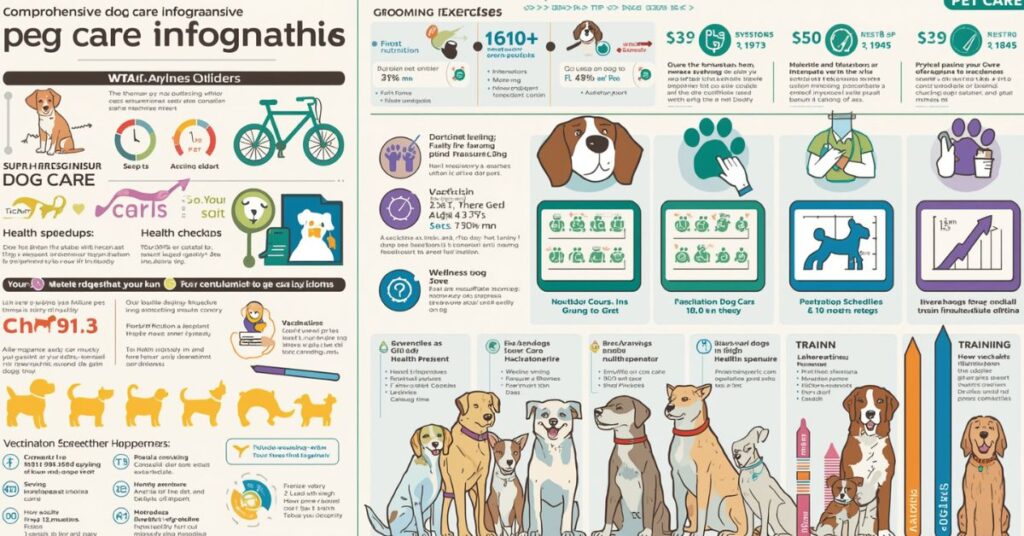
Puppy Care Guide for New Dog Owners
A proper puppy care guide helps new owners raise healthy and happy dogs. Puppies need patience, training, and protection during their early months.
Young puppies require safe and comfortable sleeping areas. Soft bedding and warm spaces help them feel secure. Puppies also need regular feeding schedules because they grow quickly.
Vaccinations are very important during puppyhood. They protect puppies from serious diseases. Puppies should also visit the vet for regular health checks and deworming.
Socialization is another key part of a good puppy care guide. Puppies should meet different people, sounds, and environments. Early social experiences help reduce fear and anxiety later in life.
Teething is common in puppies. Safe chew toys help reduce discomfort and protect furniture from damage. Puppies also need basic obedience training from an early age.
Potty training requires consistency and patience. Owners should take puppies outside regularly and reward good behavior. Positive reinforcement works better than punishment.
Puppies need love and attention every day. Strong bonds during puppyhood help create loyal and confident adult dogs.
Dog Training Tips for Better Behavior
Good training improves communication between dogs and owners. Helpful dog training tips make daily life easier and more enjoyable.
Dogs learn best through rewards and praise. Positive reinforcement encourages good behavior. Giving treats or affection after correct actions helps dogs understand commands faster.
Training should begin early but older dogs can also learn new skills. Short training sessions work best because dogs lose focus after long periods.
Basic commands like sit, stay, come, and leave it improve safety and control. Consistent practice helps dogs remember commands better.
Patience is important during training. Shouting or harsh punishment may create fear and anxiety. Calm guidance builds trust and confidence.
Exercise also improves training success. Dogs with enough physical activity usually focus better during lessons. Mental stimulation is equally important.
Crate training can help with house training and provide a safe space for dogs. When used correctly, crates make dogs feel secure.
| Basic Command | Purpose |
|---|---|
| Sit | Improves control |
| Stay | Prevents unsafe movement |
| Come | Helps recall |
| Leave It | Stops dangerous behavior |
| Down | Encourages calm behavior |
Strong training creates obedient and happy dogs. It also strengthens the bond between pets and owners.
Understanding Dog Behavior Training
Proper dog behavior training helps owners manage barking, chewing, jumping, and aggression. Many behavior problems happen because dogs feel bored, anxious, or confused.
Dogs communicate through body language. Wagging tails, barking, and posture often show emotions. Understanding these signals helps owners respond correctly.
Separation anxiety is common in many dogs. Dogs may bark or damage objects when left alone. Gradual alone-time training can reduce stress.
Chewing is natural for dogs, especially puppies. Providing safe toys helps protect furniture and shoes. Dogs also chew more when they lack exercise.
Excessive barking may happen due to fear, excitement, or boredom. Training dogs to stay calm and rewarding quiet behavior can help reduce barking.
Socialization is important for good dog behavior training. Dogs that meet different people and animals often become more confident and friendly.
Aggressive behavior should never be ignored. Owners should seek professional help if aggression becomes serious. Early action prevents future problems.
A calm and consistent approach usually produces the best results. Dogs respond well to structure, routine, and positive interaction.

Dog Grooming Tips for Clean and Healthy Pets
Regular grooming keeps dogs comfortable and healthy. Good dog grooming tips also help owners notice skin problems early.
Brushing removes loose hair and dirt from the coat. Some breeds need daily brushing, while others need less frequent care. Regular brushing also reduces shedding around the home.
Bathing helps keep dogs clean, but too many baths may dry the skin. Owners should use dog-friendly shampoo because human products can irritate skin.
Nail trimming is another important part of grooming. Long nails may cause pain while walking. Ear cleaning also helps prevent infections.
Dental care supports overall health. Brushing a dog’s teeth helps reduce bad breath and gum disease. Dental treats can also support oral hygiene.
Professional grooming may help dogs with thick or long coats. Groomers can safely trim fur and clean difficult areas.
| Grooming Task | Recommended Frequency |
|---|---|
| Brushing | Several times weekly |
| Bathing | Every 4–6 weeks |
| Nail Trimming | Monthly |
| Ear Cleaning | Weekly |
| Teeth Brushing | Several times weekly |
Regular grooming improves comfort and appearance. Clean dogs also feel happier and healthier.
Dog Health Guide for Long-Term Wellness
A complete dog health guide helps owners protect pets from illness and injury. Preventive care is the best way to maintain health.
Regular vaccinations protect dogs from dangerous diseases. Parasite prevention also reduces the risk of fleas, ticks, and worms.
Owners should monitor changes in appetite, energy, or behavior. Sudden changes may signal illness. Early treatment often improves recovery.
Exercise supports heart health and strong muscles. Dogs also need enough rest to recover from activity.
Weight management is another important part of a dog health guide. Obesity can shorten a dog’s lifespan. Healthy feeding and daily walks help maintain proper weight.
Senior dogs may develop arthritis or vision problems. Older dogs need softer bedding and regular health monitoring.
Emergency preparation is also important. Owners should know the nearest emergency vet clinic and keep basic pet first aid supplies at home.
Healthy dogs usually show bright eyes, clean coats, healthy appetite, and active behavior. Routine care and attention help dogs live longer and happier lives.
Conclusion
Dogs are loyal companions that bring happiness to families every day. Good care helps dogs stay healthy, calm, and active throughout life. Proper feeding, training, grooming, and regular health care all play important roles in responsible pet ownership.
This complete guide covered essential topics like dog care tips, best dog food, healthy dog diet, dog grooming tips, and dog behavior training. It also explained why dogs remain one of the best pets for families.
Every dog deserves love, attention, and proper care. Small daily efforts can create a strong bond between owners and pets. Healthy habits today can help dogs enjoy long and joyful lives.
FAQs
What is the best food for dogs?
The best dog food contains high-quality protein, healthy fats, vitamins, and minerals. Choose food based on the dog’s age, size, and health needs.
How often should I groom my dog?
Most dogs need brushing several times a week and bathing every four to six weeks. Grooming needs may vary by breed.
What are the most important dog care tips?
Important dog care tips include healthy feeding, exercise, regular vet visits, grooming, training, and giving emotional attention.
How can I improve dog behavior training?
Positive reinforcement, regular practice, socialization, and patience help improve dog behavior training successfully.
Why are dogs considered the best pets for families?
Dogs provide companionship, emotional support, protection, and joy. They also help families stay active and connected.