

Pet care is the key to keeping your furry friends healthy, happy, and active throughout their lives. Pets are loving companions that bring happiness and comfort into our homes. Dogs and cats quickly become part of the family and depend on us for food, safety, grooming, exercise, and love. Every pet owner wants their pet to live a long and healthy life. With the right pet care routine, you can meet your pet’s daily needs, prevent many health problems, and build a strong bond that lasts for years.
Everyone knows that who have Pets Care and Guide for Healthy and Happy Pets. Many new pet owners feel confused in the beginning. They may not know the right food, grooming habits, or exercise routine for their pets. Some pets also behave differently when they enter a new home. This is why learning proper pet care is very important.
This best pet care guide for healthy and happy pets explains everything in simple and easy language. You will learn about feeding, grooming, training, exercise, emotional care, and pet health. These tips are useful for both dogs and cats.
Daily care improves your pet’s physical and emotional health. Healthy pets feel more energetic, playful, and relaxed. They also create a happier home environment for everyone. By following simple habits and routines, you can build a strong bond with your pet and give them a better life.
Why Pet Care Is Important for Every Pet Owner
Pets cannot speak, so they depend on their owners to understand their needs. Proper care helps pets stay healthy and prevents many diseases. It also improves their mood and behavior. A well-cared-for pet feels safe, loved, and comfortable.
Good pet care supports physical health. Healthy food, regular exercise, and grooming help pets maintain a healthy body weight and strong immunity. Pets that receive proper care usually live longer and enjoy a better quality of life.
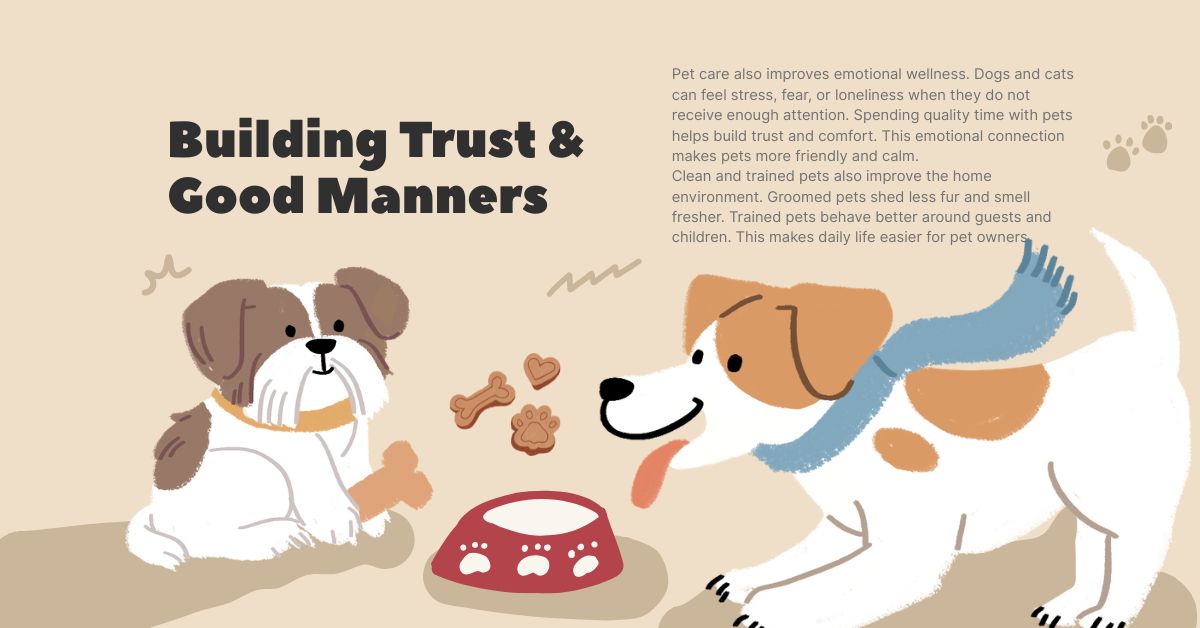
Pet care also improves emotional wellness. Dogs and cats can feel stress, fear, or loneliness when they do not receive enough attention. Spending quality time with pets helps build trust and comfort. This emotional connection makes pets more friendly and calm.
Clean and trained pets also improve the home environment. Groomed pets shed less fur and smell fresher. Trained pets behave better around guests and children. This makes daily life easier for pet owners.
The best pet care guide for healthy and happy pets focuses on complete wellness. Feeding, grooming, exercise, training, and emotional support all work together to keep pets healthy and active.

Best Feeding Tips for Healthy and Happy Pets
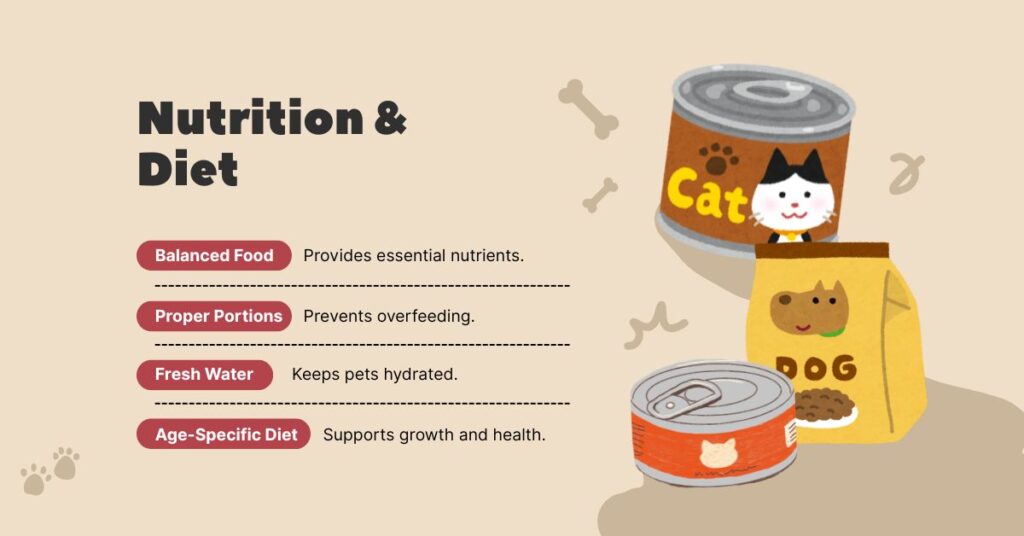
Food plays a major role in pet health. Pets need balanced meals that provide protein, vitamins, healthy fats, and minerals. Dogs and cats have different nutritional needs, so owners should choose food carefully.
Always buy high-quality pet food from trusted brands. Read labels and avoid products with too many artificial ingredients. Fresh water should always be available because hydration supports digestion and overall health.
Many pet owners overfeed their pets without realizing it. Extra treats and large meal portions can cause obesity. Overweight pets often develop health problems such as joint pain and diabetes. Feeding the right amount is very important.
Here is a simple feeding guide for pets:
| Pet Type | Feeding Frequency | Important Nutrients |
|---|---|---|
| Puppies | 3–4 meals daily | Protein and calcium |
| Adult Dogs | 2 meals daily | Protein and fiber |
| Kittens | 3–4 meals daily | Healthy fats |
| Adult Cats | 2 meals daily | Taurine and protein |
Avoid harmful foods like chocolate, onions, grapes, and spicy items. Human food can upset your pet’s stomach and sometimes become dangerous.
Healthy feedinghttps://goodpetguide.com/ habits are an important part of the best pet care guide for healthy and happy pets because nutrition supports long-term health and energy.
Daily Exercise and Playtime for Pets
Exercise keeps pets physically fit and mentally active. Dogs need daily walks and outdoor activities to stay healthy. Cats also need movement through climbing, jumping, and interactive toys.
Lack of exercise can cause boredom and weight gain. Pets with extra energy may bark excessively, scratch furniture, or chew household items. Daily activity helps pets release energy in a positive way.

Different pets need different exercise levels. Large dog breeds usually require longer walks and more active play. Smaller breeds may need shorter activity sessions. Young pets often have more energy than older pets.
Simple activities for pets include:
| Pet | Exercise Ideas |
|---|---|
| Dogs | Walking, fetch, swimming |
| Cats | Laser games, climbing towers |
Exercise also improves emotional health. Pets feel happier when they spend time playing with their owners. Outdoor walks also allow dogs to explore new smells and environments.
Mental stimulation is equally important. Puzzle toys and training games help pets stay sharp and focused. These activities reduce stress and prevent boredom.
Regular physical activity is one of the best pet care guide for healthy and happy pets because active pets remain healthier and more relaxed.
Grooming Tips to Keep Pets Clean and Healthy
Grooming helps pets stay clean, fresh, and comfortable. It also helps owners detect skin problems, fleas, or unusual bumps early. Grooming should become part of your regular pet care routine.
Dogs usually need baths every few weeks depending on their breed and activity level. Cats clean themselves often, but brushing still helps remove loose fur and reduces shedding.
Long-haired pets need more grooming than short-haired pets. Tangled fur can cause discomfort and skin irritation. Brushing also improves blood circulation and keeps coats shiny.
Important grooming tasks include:
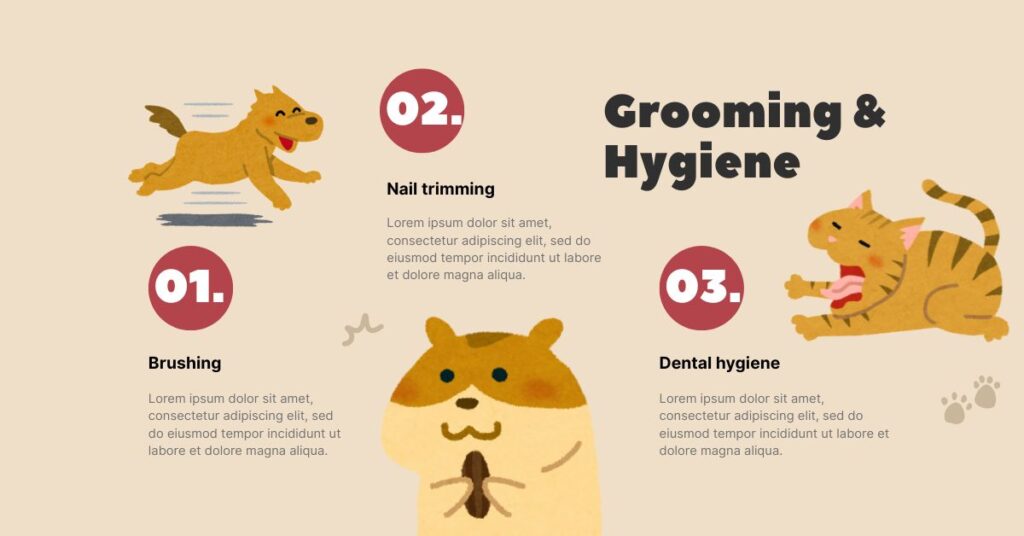
| Grooming Task | Benefit |
|---|---|
| Brushing | Reduces shedding |
| Bathing | Keeps skin clean |
| Nail trimming | Prevents pain |
| Ear cleaning | Reduces infection |
| Teeth cleaning | Improves oral health |
Dental care is very important for pets. Dirty teeth and gums can cause pain and infections. Use pet-safe toothbrushes and dental treats regularly.
Clean pets usually feel happier and more comfortable. Grooming also creates bonding time between pets and owners.
Regular grooming routines are essential in the best pet care guide for healthy and happy pets because cleanliness supports overall wellness.

Smart Training Tips for Dogs and Cats
Training teaches pets how to behave properly at home and outdoors. It improves communication between pets and owners and creates a peaceful environment.
Start training early using simple commands. Dogs can learn sit, stay, come, and leave commands with patience and consistency. Cats can also learn routines and boundaries over time.
Positive reinforcement works best during training. Reward good behavior with treats, praise, or toys. Avoid shouting or harsh punishment because it creates fear and confusion.
Consistency is very important. Use the same commands and rules every day. Pets learn faster when routines stay clear and predictable.
Socialization also helps pets feel comfortable around people and other animals. Exposing pets to different sounds and environments reduces fear and anxiety later.
Here are some important training areas:
| Training Area | Purpose |
|---|---|
| Toilet training | Clean habits |
| Leash training | Safe outdoor walks |
| Basic commands | Better control |
| Social behavior | Friendly interaction |
Training strengthens trust between pets and owners. Well-trained pets usually feel more confident and secure.
Positive training methods are an important part of the best pet care guide for healthy and happy pets because they improve safety and behavior.
How to Keep Pets Mentally and Emotionally Happy
Mental health matters just as much as physical health. Pets can feel lonely, stressed, or anxious when they do not receive enough attention or stimulation.
Dogs enjoy companionship and daily interaction. They often become anxious when left alone for long periods. Cats may appear independent, but they also need love and attention.
Interactive toys and puzzle feeders help keep pets mentally active. Rotating toys regularly prevents boredom and keeps pets interested.
Pets feel safer when they follow a routine. Feeding, playtime, and bedtime should happen around the same time daily. Predictable schedules reduce stress and anxiety.
Signs of emotional stress may include hiding, aggression, barking, or changes in eating habits. Owners should notice these signs early and provide comfort.
Ways to support emotional wellness include:
| Emotional Care Activity | Benefit |
|---|---|
| Daily playtime | Reduces stress |
| Gentle affection | Builds trust |
| Quiet sleeping area | Improves comfort |
| Calm environment | Prevents anxiety |
Emotional support and comhttps://goodpetguide.com/panionship are key parts of the best pet care guide for healthy and happy pets because happy pets behave better and feel more secure.
Preventive Health Care for Pets
Preventive care helps pets avoid serious illnesses. Regular veterinary visits allow doctors to detect health problems early. Vaccinations and parasite control also protect pets from dangerous diseases.
Puppies and kittens need vaccinations during their first year. Adult pets also require booster shots regularly. Flea and tick prevention should continue throughout the year.
Pet owners should monitor their pets for unusual symptoms. Loss of appetite, tiredness, vomiting, or behavior changes may indicate health issues.
Routine veterinary care includes:
| Health Check | Purpose |
|---|---|
| Vaccinations | Disease prevention |
| Weight checks | Prevent obesity |
| Dental exams | Healthy teeth |
| Parasite treatment | Flea and worm control |
Spaying and neutering can also improve long-term health and reduce unwanted behaviors.
Early treatment often prevents bigger health problems later. Preventive care also saves money because it reduces emergency medical expenses.
Regular health checkhttps://goodpetguide.com/ups are one of the most valuable parts of the best pet care guide for healthy and happy pets because healthy pets enjoy longer and more active lives.
Creating a Safe and Comfortable Home for Pets
A safe home protects pets from injuries and accidents. Many common household items can become dangerous for dogs and cats if left unattended.
Keep cleaning chemicals, medicines, and toxic foods out of reach. Cover electrical wires and remove small objects that pets may swallow.
Pets need comfortable resting spaces where they can relax peacefully. Soft beds and quiet areas help pets feel secure. Outdoor pets also need shelter from heat, rain, and cold weather.
Common household dangers include:
| Hazard | Risk |
|---|---|
| Chocolate | Poisoning |
| Toxic plants | Illness |
| Open windows | Falls |
| Small objects | Choking |
Pets should also wear identification tags with updated contact information. Microchipping improves the chance of finding lost pets quickly.
A clean and organized home creates a healthier environment for pets and owners alike.
Safe livihttps://goodpetguide.com/ng spaces are an important part of the best pet care guide for healthy and happy pets because safety reduces stress and prevents accidents.
Conclusion
Pets bring unconditional love, joy, and companionship into our lives. They depend on their owners for care, protection, and emotional support. Following the best pet care guide for healthy and happy pets can help your furry friend live a long, active, and comfortable life.
Good nutrition, regular exercise, grooming, training, and preventive health care all work together to support your pet’s well-being. Emotional care and attention are equally important because pets need love and companionship every day.
New pet owners should stay patient and consistent. Understanding your pet’s needs takes time, but the effort creates a strong bond that lasts for years. Healthy and happy pets make homes more joyful and peaceful.
By following these simple and practical pet care tips, you can give your dog or cat the best possible life.
FAQs
What is the best way to care for a new pet?
Provide healthy food, fresh water, exercise, grooming, regular vet visits, and daily attention to help your pet feel safe and comfortable.
How often should pets exercise daily?
Dogs usually need 30–60 minutes of exercise daily, while cats need regular indoor play sessions for activity.
Why is grooming important for pets?
Grooming keeps pets clean, reduces infections, improves skin health, and helps owners notice health problems early.
What foods should pets avoid?
Avoid chocolate, onions, grapes, caffeine, spicy foods, and fried items because they can harm pets.
How can I keep my pet mentally happy?
Spend time playing, use puzzle toys, maintain routines, and provide affection to reduce stress and boredom in pets.