


Choosing the Best Pet Food is one of the most important decisions for every pet owner. The right food provides essential nutrients, supports healthy growth, boosts immunity, and helps pets live longer and happier lives. Whether you have a playful puppy, an active adult dog, a curious kitten, or a senior cat, proper nutrition plays a major role in their overall well-being.
Many people feel confused when they visit a pet store because there are countless brands and food types available. Dry food, wet food, grain-free formulas, homemade diets, and breed-specific products all compete for attention. Without the right knowledge, selecting the Best Pet Food becomes difficult.
This guide explains everything you need to know about choosing quality pet food. You will learn about important ingredients, nutritional needs, feeding schedules, common mistakes, and practical tips that help your furry companion stay healthy throughout every stage of life.
Why Choosing the Best Pet Food Matters
Providing the Best Pet Food helps your pet maintain a healthy body and strong immune system. Nutrition affects almost every part of your pet’s life, including energy levels, digestion, skin condition, coat quality, and brain development.
Good food contains balanced amounts of protein, fats, carbohydrates, vitamins, and minerals. These nutrients support muscle growth, healthy organs, and proper metabolism.
Poor-quality diets may contain unnecessary fillers or low-quality ingredients that provide limited nutritional value. Over time, unhealthy feeding habits may contribute to obesity, digestive issues, or nutritional deficiencies.
Pets that receive balanced meals often have shiny coats, healthy skin, bright eyes, and active personalities. They are also more likely to maintain an ideal weight and enjoy better long-term health.
Choosing the Best Pet Food is not just about filling a bowl. It is an investment in your pet’s future.
Best Pet Food for Different Life Stages
The Best Pet Food changes as your pet grows. Puppies and kittens require extra calories and nutrients to support rapid development. Adult pets need balanced diets that maintain energy and muscle health. Senior animals often benefit from food designed for aging joints and slower metabolism.
Young pets require diets rich in protein and healthy fats. Adults need controlled calorie intake to avoid unnecessary weight gain. Older pets may need lower-calorie meals with ingredients that support joint mobility and digestion.
Large breeds and small breeds can also have different nutritional needs. Always consider your pet’s age, size, activity level, and overall health when selecting food.
Matching nutrition to each life stage helps maintain healthy growth and prevents many common health problems.
Pet Food by Life Stage
| Life Stage | Main Nutritional Focus |
| Puppy | High protein and healthy fats |
| Adult Dog | Balanced nutrition and weight control |
| Senior Dog | Joint support and easy digestion |
| Kitten | Growth and brain development |
| Adult Cat | Muscle maintenance and hydration |
| Senior Cat | Digestive support and healthy aging |
Best Pet Food Ingredients to Look For
Reading ingredient labels is one of the smartest ways to find the Best Pet Food.
High-quality animal protein should appear near the top of the ingredient list. Chicken, turkey, fish, lamb, or beef often provide excellent protein sources.
Healthy fats support skin, coat, and brain function. Fish oil and chicken fat are common examples.
Whole grains or digestible carbohydrates can provide energy for many pets, while vegetables and fruits contribute vitamins and antioxidants.
Look for foods that contain balanced vitamins, minerals, and amino acids to support complete nutrition.
Fresh ingredients and clearly identified protein sources generally indicate better quality than vague ingredient descriptions.
Choosing foods with transparent labeling makes it easier to understand what your pet is eating every day.
Best Pet Food Ingredients to Avoid
Finding the Best Pet Food also means knowing which ingredients deserve caution.
Some low-quality products use excessive fillers that add little nutritional value. Artificial colors and unnecessary flavor additives may not benefit your pet.
Foods with excessive sugar or salt should also be avoided.
Owners should always check labels carefully before buying. Pets with allergies may require limited-ingredient diets that reduce exposure to certain proteins or grains.
Every pet is unique, so consult your veterinarian if your dog or cat experiences repeated digestive problems or skin issues after eating certain foods.
Choosing simple and balanced recipes often supports better digestion and overall health.
Dry Food vs Wet Food: Which Is the Best Pet Food?
Many owners wonder whether dry food or wet food is the Best Pet Food option.
Dry food is convenient to store and often supports dental health by encouraging chewing. It also tends to cost less per serving.
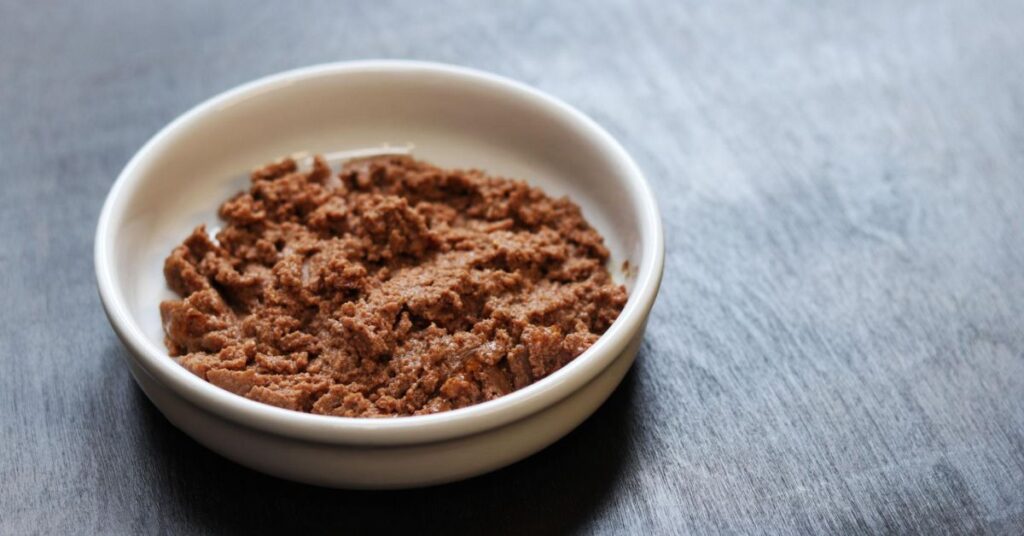
Wet food contains higher moisture levels, which can help improve hydration. Many pets find wet food especially tasty.
Some owners successfully combine both types to provide variety and additional moisture while maintaining convenience.
The best choice depends on your pet’s preferences, health conditions, and veterinary recommendations.
Dry Food and Wet Food Comparison
| Feature | Dry Food | Wet Food |
| Moisture | Low | High |
| Storage | Easy | Refrigerate after opening |
| Dental Benefits | Better chewing action | Less chewing required |
| Cost | Often lower | Often higher |
| Taste | Good | Usually very appealing |
Best Pet Food for Dogs
Dogs thrive when they receive the Best Pet Food that matches their activity level and age.
Working dogs and highly active breeds often require more calories than indoor companion dogs.
Protein supports muscle maintenance, while healthy fats provide energy. Vitamins and minerals strengthen bones and immune function.
Large breeds may benefit from diets formulated to support joint health. Small breeds often need smaller kibble sizes for easier chewing.
Fresh water should always remain available alongside meals.
Monitoring body condition helps owners adjust portions before obesity becomes a problem.
Best Pet Food for Cats
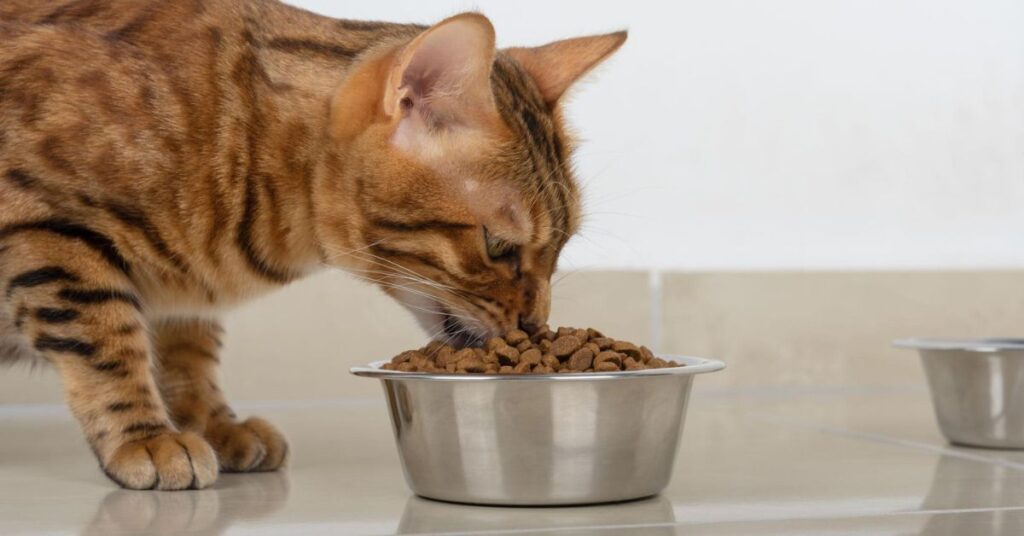
Cats have unique nutritional needs because they are obligate carnivores. The Best Pet Food for cats contains sufficient animal-based protein to support healthy muscles and overall body function.
Hydration is also important. Many owners include wet food to increase water intake.
Cats often prefer several smaller meals throughout the day rather than one large serving.
Avoid feeding dogs’ food to cats because it may not provide all the nutrients cats require.
Balanced feline nutrition supports healthy eyesight, coat quality, and energy levels throughout life.
Feeding Schedule and Portion Control
Even the Best Pet Food can cause health problems if portions become too large.
Feed according to your pet’s age, size, and activity level. Follow feeding guides as a starting point but adjust based on body condition.
Measure meals instead of guessing quantities.
Avoid excessive treats that add unnecessary calories.
Maintain regular feeding times every day because consistent routines support healthy digestion.
General Feeding Guide
| Pet Type | Suggested Daily Meals |
| Young Puppy | 3 to 4 meals |
| Adult Dog | 2 meals |
| Senior Dog | 2 smaller meals |
| Young Kitten | 3 to 4 meals |
| Adult Cat | 2 meals |
| Senior Cat | 2 to 3 smaller meals |
Common Mistakes When Choosing the Best Pet Food
Many owners unintentionally make feeding mistakes.
Changing food suddenly may upset digestion.
Buying products based only on advertising instead of ingredient quality can lead to poor nutrition.
Overfeeding remains one of the biggest causes of obesity in household pets.
Ignoring allergies or food sensitivities may create ongoing health issues.
Sharing table scraps regularly may encourage unhealthy habits and digestive problems.
Choosing balanced nutrition and maintaining consistent routines helps prevent these common issues.
Best Pet Food Tips for Long-Term Health
Maintaining a healthy diet requires more than buying quality products.
Store food correctly to preserve freshness.
Check expiration dates before serving.
Introduce new diets gradually over several days.
Schedule regular veterinary checkups to monitor weight and nutritional health.
Observe your pet’s coat, energy, digestion, and appetite for signs that dietary adjustments may be needed.
Simple daily attention helps ensure your pet continues receiving the Best Pet Food for its changing needs.
Conclusion
Selecting the Best Pet Food is one of the most valuable ways to protect your pet’s health and happiness. Balanced nutrition supports growth, strengthens immunity, improves digestion, and promotes a longer life.
Take time to read ingredient labels, choose age-appropriate formulas, monitor portions, and consult your veterinarian when needed. Every pet has unique nutritional requirements, but careful planning and informed choices can make a significant difference.
With proper feeding habits and consistent care, your furry companion can enjoy a healthy, active, and joyful life for many years.
Frequently Asked Questions
How do I choose the best pet food?
Look for balanced nutrition, quality protein sources, clear ingredient labeling, and food that matches your pet’s age and health needs.
Is dry food better than wet food?
Both options have benefits. Many pets do well with either type or a combination of both depending on their individual needs.
How often should I feed my pet?
Most adult dogs and cats eat two meals per day, while young puppies and kittens usually require more frequent feeding.
Can I switch pet food suddenly?
It is better to introduce new food gradually over several days to reduce the risk of digestive upset.
Does expensive food always mean better quality?
Not always. Reading ingredient labels and evaluating nutritional value is more important than judging food by price alone.