

Bringing a kitten home is an exciting moment. Kittens are playful, curious, and full of energy. They need love, proper care, and a safe environment to grow into healthy adult cats. Following the right Kitten Care Tips from the beginning helps your new pet stay happy and healthy.
Many first-time owners feel unsure about feeding, grooming, litter training, and health care. These concerns are normal. With simple daily habits and patience, caring for a kitten becomes easy and enjoyable.
This guide shares the most useful Kitten Care Tips in simple language. You will learn how to feed your kitten, create a safe home, maintain good hygiene, encourage healthy behavior, and prevent common problems. Whether you have adopted a rescued kitten or bought one from a breeder, this article will help you provide the best possible care.
Why Kitten Care Tips Are Important for Healthy Growth
Good Kitten Care Tips help kittens develop into strong and healthy cats. The first few months of life are important because kittens grow quickly and learn about the world around them.
Proper nutrition supports healthy bones, muscles, and brain development. Clean living spaces reduce the risk of infections and diseases. Regular play builds confidence and improves physical fitness.
Early care also shapes behavior. A kitten that receives gentle handling and positive experiences usually becomes friendly and comfortable around people.
Routine veterinary visits allow owners to monitor growth and protect kittens through vaccinations and health checks. These visits also help detect problems before they become serious.
By following reliable Kitten Care Tips, owners create a safe and loving environment that supports lifelong health and happiness.
Kitten Care Tips for Preparing Your Home
One of the most useful Kitten Care Tips is preparing your home before your new pet arrives. Kittens love to explore every corner and may get into trouble if hazards are left exposed.
Remove electrical wires, toxic plants, sharp objects, and small items that could be swallowed. Keep cleaning products and medicines locked away.
Create a quiet sleeping area with a soft bed. Place food bowls, water bowls, and a litter box in separate locations.
Provide scratching posts and safe toys to keep your kitten active and entertained. This reduces unwanted scratching on furniture.
A secure indoor environment protects kittens from traffic, predators, and dangerous weather. Keeping windows screened and balconies secured also prevents accidents.
Basic Supplies for a New Kitten
| Item | Purpose |
| Food Bowl | Daily meals |
| Water Bowl | Fresh drinking water |
| Litter Box | Toilet training |
| Soft Bed | Comfortable sleeping |
| Scratching Post | Healthy scratching habits |
| Cat Toys | Exercise and mental stimulation |
| Carrier | Safe travel |
| Grooming Brush | Coat maintenance |
Kitten Care Tips for Proper Nutrition
Healthy eating is one of the most important Kitten Care Tips. Growing kittens need balanced food with enough protein, vitamins, and minerals.
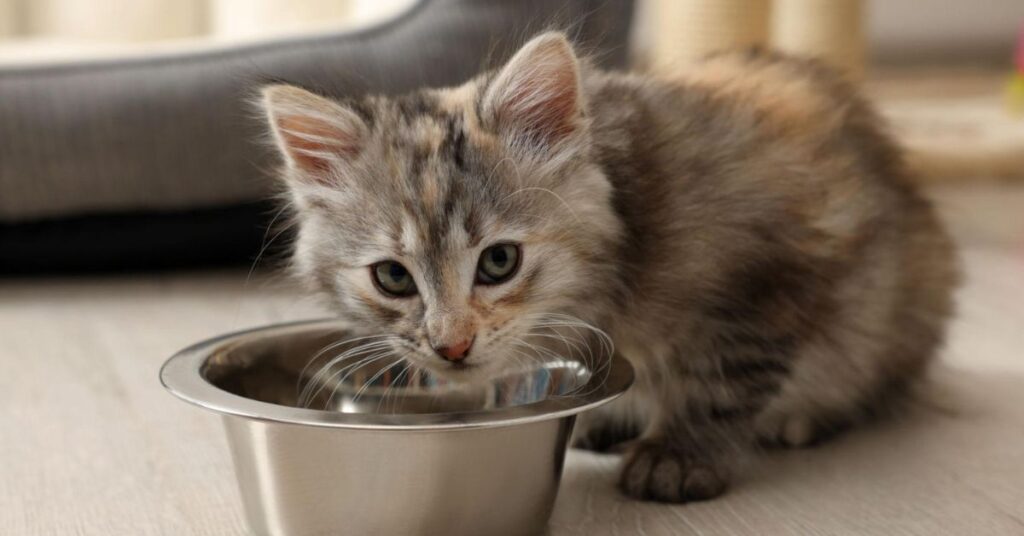
Choose food specially made for kittens because it supports rapid growth. Feed small meals several times each day according to your veterinarian’s advice and the product guidelines.
Fresh water should always be available. Replace it daily to keep it clean.
Avoid giving chocolate, onions, garlic, grapes, raisins, alcohol, and foods with excessive salt or seasoning. Many human foods can harm cats.
Introduce new foods gradually to avoid stomach upset. Sudden diet changes may cause digestive problems.
Proper nutrition strengthens the immune system and supports healthy skin, bones, and muscles.
Kitten Care Tips for Litter Box Training
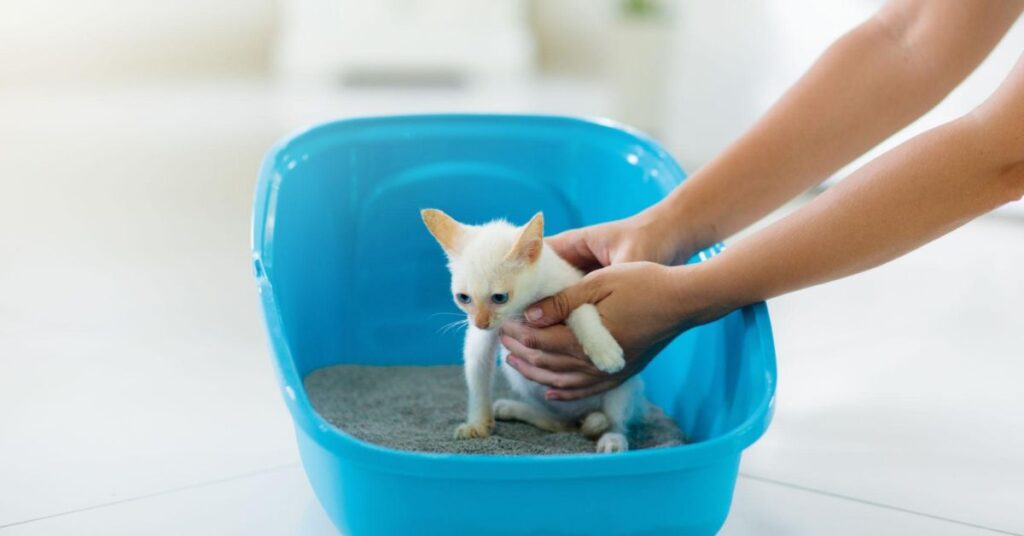
Litter training is usually easy because kittens naturally prefer to bury their waste. Following these Kitten Care Tips makes learning even faster.
Place the litter box in a quiet and easily accessible area. Keep it away from food and water bowls.
Show your kitten the litter box after meals and naps. Many kittens quickly understand its purpose.
Clean the litter box every day. Cats prefer clean spaces and may avoid dirty boxes.
Do not punish accidents. Instead, gently place the kitten in the litter box and reward successful use with praise.
If you have multiple cats, provide enough litter boxes to reduce competition.
A clean routine encourages lifelong good bathroom habits.
Kitten Care Tips for Grooming and Hygiene
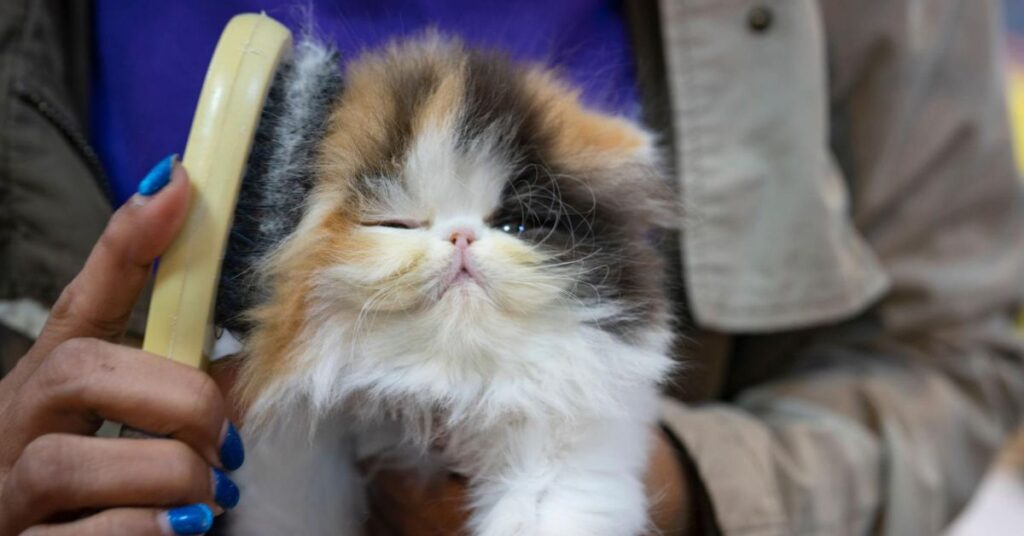
Regular grooming is another valuable part of Kitten Care Tips. Brushing removes loose fur and reduces hairballs.
Long-haired kittens need more frequent brushing than short-haired breeds. Gentle grooming sessions also strengthen trust between you and your pet.
Check ears for dirt and unusual smells. Keep eyes clean by wiping away discharge with a soft damp cloth if needed.
Trim nails carefully using pet nail clippers. Begin early so your kitten becomes comfortable with the process.
Most kittens keep themselves clean and rarely need baths unless advised by a veterinarian.
Maintaining good hygiene helps prevent skin problems and keeps your kitten looking healthy.
Kitten Care Tips for Socialization and Play
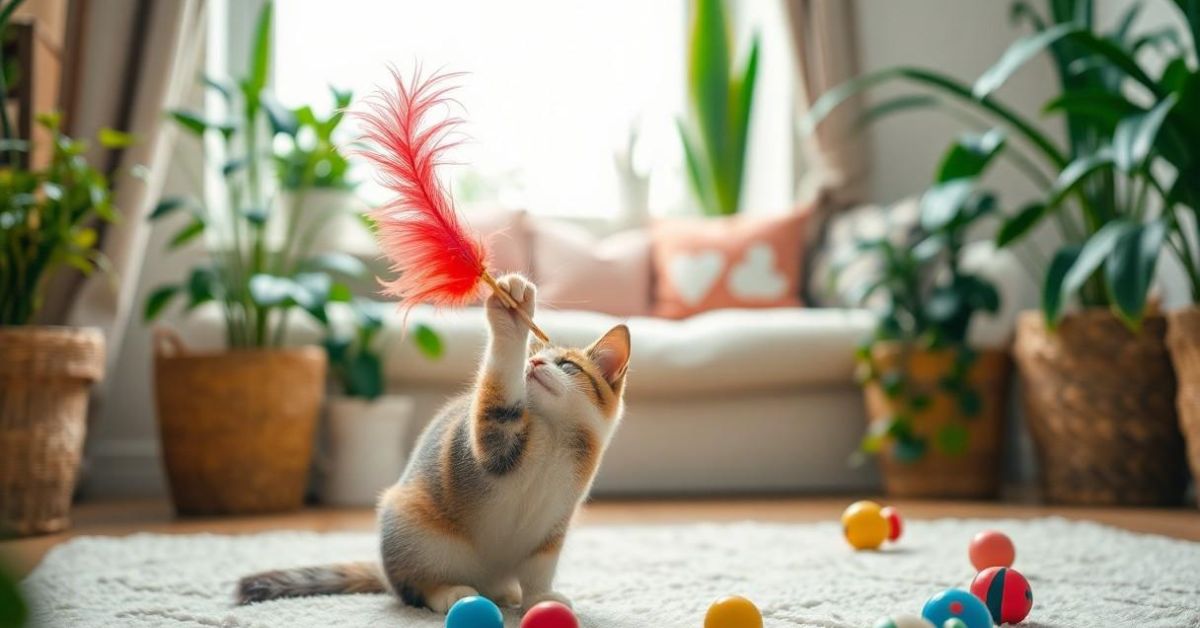
Playtime is essential when following Kitten Care Tips. Kittens develop coordination and confidence through interactive games.
Provide balls, feather toys, tunnels, and puzzle feeders. Rotate toys regularly to keep play interesting.
Spend time interacting every day. This strengthens your bond and reduces loneliness.
Introduce your kitten slowly to family members and other friendly pets. Calm introductions reduce stress and encourage positive relationships.
Avoid rough play with hands because it may encourage biting and scratching.
Regular socialization helps kittens become friendly and adaptable adult cats.
Benefits of Daily Play
| Activity | Benefit |
| Chasing Toys | Exercise |
| Puzzle Feeders | Mental stimulation |
| Climbing Trees | Balance and confidence |
| Interactive Games | Bonding with owner |
| Scratching Posts | Healthy claws |
Kitten Care Tips for Health and Veterinary Visits
Health care should always be included in your Kitten Care Tips routine.
Schedule regular veterinary checkups to monitor growth and receive recommended vaccinations.
Parasite prevention protects kittens from fleas, ticks, and worms. Your veterinarian can recommend suitable products.
Watch for signs of illness such as poor appetite, vomiting, diarrhea, sneezing, coughing, or unusual tiredness.
Keep vaccination and medical records organized for future visits.
Routine health care supports a long and active life.
Kitten Care Tips for Safe Indoor Living
Keeping your kitten indoors is one of the safest Kitten Care Tips for many homes.
Indoor cats face fewer risks from traffic, fights with other animals, and infectious diseases.
Create climbing spaces and window perches to satisfy natural curiosity.
Hide cords and secure heavy furniture that could tip over.
Store dangerous items where curious paws cannot reach them.
Provide enough daily play to prevent boredom and maintain fitness.
A safe indoor environment allows kittens to explore while reducing unnecessary risks.
Common Mistakes New Kitten Owners Should Avoid
Many owners make simple mistakes during the first few weeks.
Changing food suddenly may upset digestion.
Skipping veterinary visits can delay important vaccinations.
Ignoring scratching behavior instead of providing scratching posts may damage furniture.
Leaving dangerous objects within reach increases accident risks.
Punishing mistakes often creates fear instead of teaching better habits.
Patience and consistency produce better results than harsh correction.
Common Mistakes and Better Solutions
| Mistake | Better Solution |
| Dirty litter box | Clean daily |
| No scratching post | Provide suitable scratching areas |
| Unsafe foods | Feed balanced kitten food |
| Little playtime | Schedule daily interactive games |
| Skipping checkups | Visit the veterinarian regularly |
Kitten Care Tips for Building a Strong Bond
The best Kitten Care Tips include building trust every day.
Speak gently and allow your kitten to approach at its own pace.
Offer treats during positive interactions.
Respect resting time and avoid forcing attention.
Play together regularly and reward calm behavior.
Routine feeding and care create security and confidence.
Over time, your kitten will recognize you as a trusted companion and enjoy spending time with you.
Conclusion
Following the right Kitten Care Tips helps your pet enjoy a healthy and happy life. Good nutrition, regular grooming, proper health care, and daily play all contribute to successful development.
Create a safe home, stay patient during training, and provide consistent care every day. Your kitten will reward you with affection, companionship, and years of joyful memories.
Caring for a kitten is a long-term commitment, but with love and attention, it becomes one of the most rewarding experiences for any pet owner.
Frequently Asked Questions
What should I feed a young kitten?
Choose high-quality kitten food that provides balanced nutrition for healthy growth and always keep fresh water available.
How often should I clean the litter box?
Clean the litter box every day to encourage regular use and maintain good hygiene.
When should my kitten visit the veterinarian?
Schedule a veterinary visit soon after bringing your kitten home for a health check and vaccination guidance.
How much playtime does a kitten need?
Most kittens benefit from several short play sessions each day to stay active and mentally stimulated.
Can kittens stay home alone?
Young kittens should not be left alone for long periods. They need regular feeding, supervision, and social interaction.