

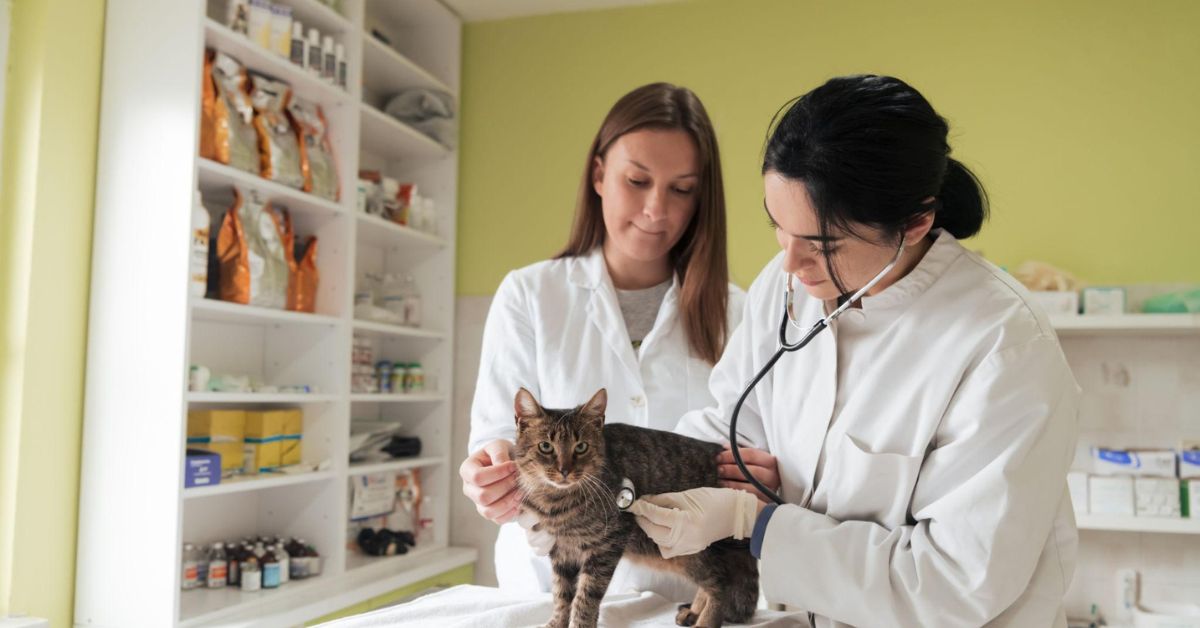
Every pet owner wants their furry friend to live a long and healthy life. However, pets can become sick just like humans. Understanding Common Pet Diseases helps owners recognize early warning signs and seek proper care before problems become serious.
Dogs and cats may suffer from infections, parasites, digestive problems, skin conditions, and chronic illnesses. Some diseases are mild and easy to treat, while others require immediate veterinary attention. Regular checkups, vaccinations, good nutrition, and proper hygiene can reduce many health risks.
This guide explains the most important of their symptoms, causes, prevention methods, and basic treatment options. By learning about these conditions, you can protect your pet and provide the care it deserves.
Why Learning About Common Pet Diseases Is Important
Knowing about Diseases helps owners identify health problems early. Pets cannot tell us when they feel pain or discomfort, so changes in behavior often become the first sign that something is wrong.
Early detection improves the chances of successful treatment and may reduce medical costs. Owners who understand warning signs can contact a veterinarian before a condition becomes severe.
Regular observation of eating habits, activity levels, breathing, and bathroom behavior provides valuable information about a pet’s health.
Routine veterinary care, balanced nutrition, and preventive medicine also reduce the risk of many illnesses.
Learning about Common Pet Diseases allows owners to make informed decisions that improve their pet’s quality of life.
Common Pet Diseases Caused by Parasites
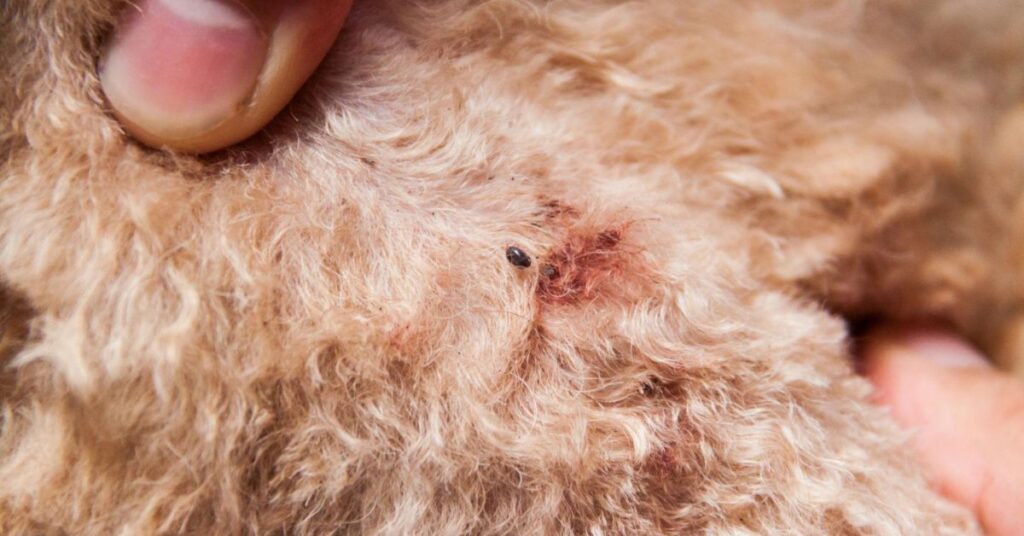
Parasites are among the most frequent Common Pet Diseases affecting dogs and cats. Fleas, ticks, worms, and mites can cause discomfort and serious health problems if left untreated.
Fleas often lead to itching and skin irritation. Heavy infestations may even cause anemia in small animals. Ticks can spread dangerous infections through bites.
Internal parasites such as roundworms and hookworms affect digestion and may cause weight loss, vomiting, or diarrhea.
Regular parasite prevention products recommended by a veterinarian help protect pets throughout the year.
Maintaining clean living spaces and checking pets after outdoor activities also reduces exposure to parasites.

Common Parasites and Their Effects
| Parasite | Possible Symptoms |
| Fleas | Itching and skin irritation |
| Ticks | Fever and weakness |
| Roundworms | Poor growth and digestive issues |
| Hookworms | Weight loss and anemia |
| Ear Mites | Ear scratching and discharge |
Common Pet Diseases That Affect Digestion
Digestive disorders are another group of Common Pet Diseases that owners frequently encounter.
Vomiting and diarrhea may result from sudden diet changes, spoiled food, infections, or intestinal parasites.
Loss of appetite can also indicate digestive problems or other illnesses.
Dehydration becomes a concern if vomiting or diarrhea continues for an extended period.
Feed balanced diets and avoid giving unsafe human foods to reduce digestive risks.
When symptoms become severe or persist, veterinary care is essential to identify the underlying cause.
Common Pet Diseases Related to Skin Problems
Skin conditions rank among the most visible Common Pet Diseases.
Pets with skin problems often scratch excessively or develop redness, hair loss, or rashes.
Allergies may occur due to food, pollen, dust, or flea bites. Bacterial and fungal infections can also affect the skin.
Regular grooming helps owners detect unusual lumps, sores, or irritation early.
Healthy nutrition supports skin health from the inside while parasite prevention reduces many common causes of itching.
Prompt treatment prevents minor skin conditions from becoming more serious.
Common Pet Diseases Affecting the Respiratory System
Respiratory infections are important Common Pet Diseases that may affect breathing and overall health.
Common symptoms include coughing, sneezing, nasal discharge, watery eyes, and difficulty breathing.
Young animals and older pets may be more vulnerable to respiratory illnesses.
Vaccination programs help reduce the risk of several infectious diseases.
Keeping sick animals separated from healthy pets also limits disease spread.
Clean indoor environments with good ventilation support respiratory health.
Respiratory Disease Warning Signs
| Symptom | Possible Concern |
| Sneezing | Upper respiratory infection |
| Coughing | Respiratory illness |
| Nasal discharge | Viral or bacterial infection |
| Difficulty breathing | Emergency evaluation needed |
| Watery eyes | Infection or irritation |
Common Pet Diseases and Dental Problems
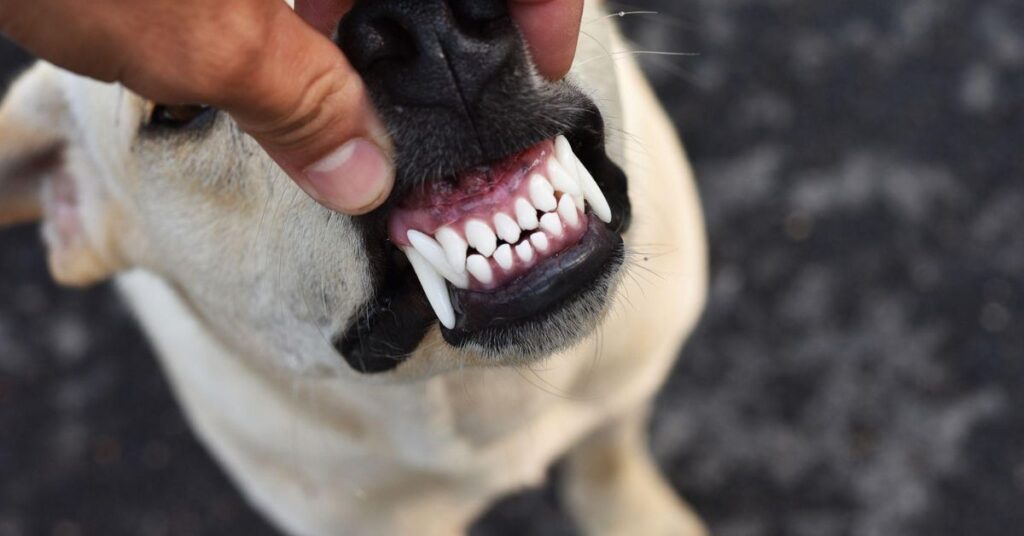
Dental disease is often overlooked but remains one of the most widespread Common Pet Diseases.
Plaque buildup eventually forms tartar, which may lead to gum disease and tooth loss.
Bad breath, difficulty chewing, and bleeding gums often indicate dental issues.
Regular tooth brushing with pet-safe products and dental treats may improve oral hygiene.
Professional dental cleanings performed by veterinarians help remove stubborn tartar and maintain healthy teeth.
Good dental care also supports overall health because oral infections may affect other organs.
Common Pet Diseases in Senior Pets
Older animals face additional health risks as they age.
Arthritis commonly causes stiffness and reduced mobility. Kidney disease may affect appetite and water intake. Diabetes and heart disease also become more common in senior pets.
Routine health screenings help identify these Common Pet Diseases before symptoms worsen.
Owners should watch for increased drinking, weight changes, reduced activity, or unusual behavior.
Senior-specific diets and regular veterinary care improve comfort and quality of life.
Common Pet Diseases That Vaccinations Help Prevent
Vaccinations protect pets from several dangerous Common Pet Diseases.
Core vaccines reduce the risk of serious viral and bacterial infections that may otherwise become life-threatening.
Following the recommended vaccination schedule strengthens immunity and supports community-wide disease control.
Booster vaccinations maintain protection throughout adulthood.
Keeping vaccination records updated ensures pets remain protected during travel, boarding, or social activities.
Preventive medicine remains one of the safest and most effective ways to reduce infectious disease risks.
How to Prevent Common Pet Diseases
Prevention plays a major role in avoiding Common Pet Diseases.
Provide balanced nutrition and clean drinking water every day.
Maintain regular exercise and mental stimulation.
Use veterinarian-approved parasite prevention products consistently.
Keep living areas clean and disinfect food bowls regularly.
Attend scheduled health checkups and vaccinations.
Monitor behavior changes because early signs often appear before obvious illness develops.
Simple preventive habits can significantly improve long-term health.
Daily Prevention Checklist
| Activity | Benefit |
| Balanced nutrition | Supports immunity |
| Fresh water | Prevents dehydration |
| Grooming | Detects skin problems early |
| Parasite control | Reduces flea and tick risks |
| Regular exercise | Maintains healthy weight |
| Veterinary checkups | Early disease detection |
Warning Signs That Need Immediate Veterinary Care
Certain symptoms require prompt medical attention regardless of the suspected cause.
Difficulty breathing should always be treated as an emergency.
Repeated vomiting or severe diarrhea may quickly lead to dehydration.
Collapse, seizures, inability to urinate, uncontrolled bleeding, or sudden weakness also require urgent evaluation.
Owners should never delay treatment when these warning signs appear.
Quick action often improves outcomes and may save a pet’s life.
Conclusion
Understanding Common Pet Diseases helps every owner provide better care and respond quickly when problems arise. Regular veterinary visits, vaccinations, parasite prevention, proper nutrition, and daily observation all contribute to a healthier life.
Many illnesses become easier to treat when discovered early. Paying attention to small changes in appetite, behavior, skin, or energy levels allows owners to seek help before conditions become serious.
By following preventive care practices and staying informed, you can give your pet the best chance of enjoying a long, active, and happy life.
Frequently Asked Questions
What are the most common pet diseases?
Parasite infections, digestive disorders, skin conditions, respiratory illnesses, and dental disease are among the most common health problems seen in pets.
How can I prevent common pet diseases?
Regular vaccinations, parasite control, balanced nutrition, exercise, grooming, and veterinary checkups help reduce disease risks.
When should I take my pet to the veterinarian?
Seek veterinary care if your pet shows persistent vomiting, diarrhea, breathing problems, unusual weakness, severe pain, or major behavior changes.
Are vaccinations important for pets?
Yes. Vaccinations protect against several serious infectious diseases and play a key role in preventive health care.
Can diet affect my pet’s health?
Absolutely. A balanced and nutritious diet supports immunity, healthy growth, proper digestion, and long-term wellness.