

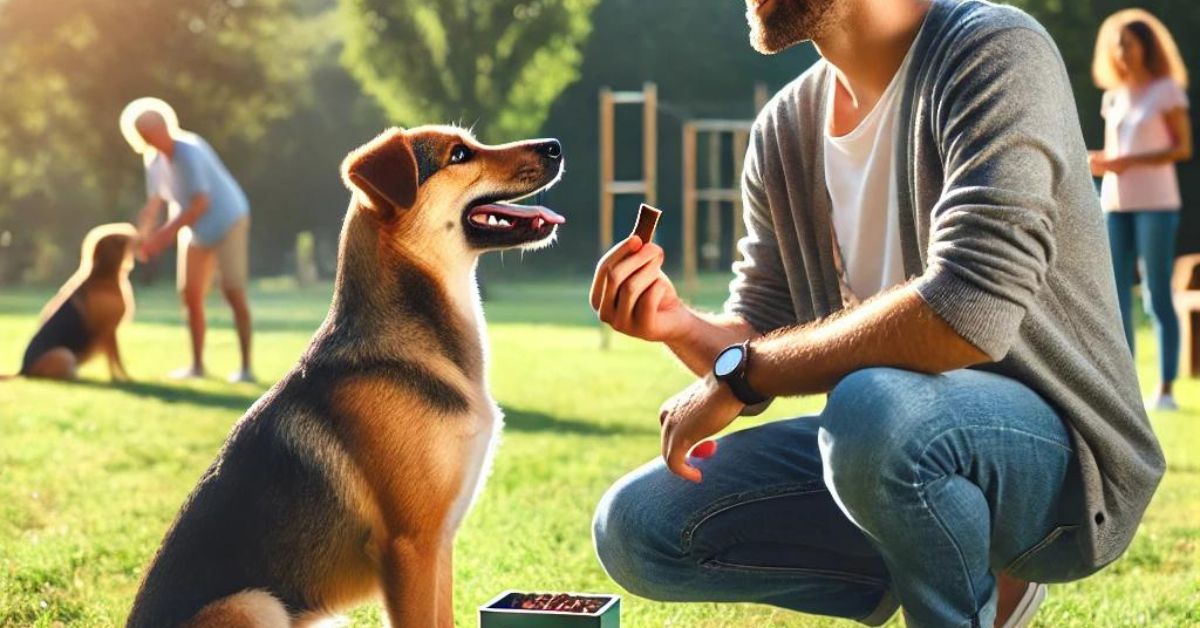
Bringing home a new puppy is an exciting experience. Your puppy becomes part of your family from the very first day. However, raising a well-behaved dog takes time, patience, and the right approach. The best Puppy Training Tips help your puppy learn good habits early and build a strong bond with you.
Many new pet owners worry about barking, chewing, biting, or accidents inside the house. These problems are common, but they can improve with consistent training. Puppies learn quickly when you use rewards, kind words, and daily practice.
This guide explains the most effective Puppy Training Tips in simple language. You will learn how to teach basic commands, handle potty training, improve social skills, and avoid common mistakes. Whether you have your first puppy or want to improve your training methods, this article will help you create a happy and confident companion.
Why Puppy Training Tips Matter for Every Dog
Good Puppy Training Tips create a strong foundation for your dog’s future. Puppies start learning from the moment they arrive at home. Every experience teaches them something, whether good or bad.
Early training helps puppies understand what you expect. It also reduces unwanted behavior before it becomes a habit. Dogs that receive proper training often become calmer, friendlier, and easier to manage.
Positive experiences during the first few months also improve confidence. Puppies learn how to react to people, sounds, other animals, and different places. This reduces fear and stress later in life.
Training is not only about obedience. It also builds trust between you and your pet. Every successful lesson strengthens your relationship and makes daily life more enjoyable.
Veterinary experts generally recommend beginning basic training as soon as your puppy comes home and using reward-based methods with consistency and patience.
Best Puppy Training Tips to Start from Day One
The best Puppy Training Tips begin with simple routines. Puppies feel safe when they know what to expect every day.
Create regular times for meals, bathroom breaks, naps, walks, and play. A daily schedule helps your puppy learn faster.
Keep training sessions short. Five to ten minutes is enough for young puppies. End each session with praise or treats to create a positive experience.
Use the same words for every command. If you teach “sit,” avoid switching to different phrases. Consistency prevents confusion.
Reward good behavior immediately. Your puppy connects the reward with the action and learns more quickly.
Stay patient during mistakes. Young puppies need time to understand new rules. Calm repetition works much better than punishment.
Daily Puppy Training Routine
| Time | Activity |
| Morning | Potty break and breakfast |
| After breakfast | Short training session |
| Midday | Play and socialization |
| Afternoon | Rest and potty break |
| Evening | Basic command practice |
| Before bed | Final potty break |
Puppy Training Tips for Potty Training Success
House training is one of the biggest challenges for new owners. Fortunately, consistent Puppy Training Tips make the process easier.
Take your puppy outside after waking up, after eating, after drinking water, and after playtime. Frequent bathroom breaks reduce indoor accidents.
Choose one potty location outside. This helps your puppy recognize the correct place.
Praise and reward your puppy immediately after successful outdoor elimination. Positive reinforcement encourages the behavior to continue.
Never punish accidents that happen indoors. Simply clean the area well and continue following the schedule.
Crate training can also support potty training when used correctly. A properly sized crate encourages puppies to wait until they go outside.
With patience and repetition, most puppies develop reliable bathroom habits over time.
Puppy Training Tips for Basic Commands
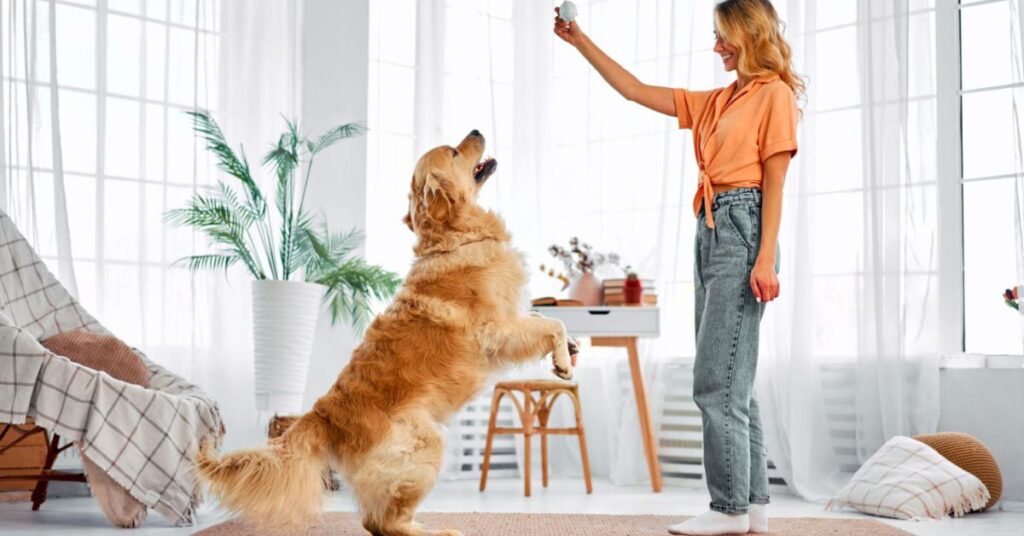
Teaching commands early improves safety and communication. Every owner should include these Puppy Training Tips in daily practice.
Start with “Sit.” Hold a treat above your puppy’s nose and slowly move it backward. As the puppy naturally sits, reward immediately.
Teach “Stay” using short distances first. Gradually increase time as your puppy succeeds.
Practice “Come” in a quiet area with rewards and excitement. This command can protect your dog in dangerous situations.
Introduce “Down” after your puppy understands “Sit.” Keep lessons simple and fun.
Short sessions repeated several times each day produce better results than long training periods.
Important Beginner Commands
| Command | Purpose |
| Sit | Improves control |
| Stay | Builds patience |
| Come | Increases safety |
| Down | Encourages calm behavior |
| Leave It | Prevents dangerous chewing |
| Drop It | Releases unsafe objects |
Puppy Training Tips for Socialization
Socialization is one of the most valuable Puppy Training Tips you can follow.
Introduce your puppy to different people, friendly vaccinated dogs, sounds, surfaces, and environments in a calm and positive way.
Allow your puppy to experience bicycles, umbrellas, cars, children, hats, and everyday noises while offering treats and encouragement.
Never force fearful interactions. Let your puppy observe from a comfortable distance until confidence grows.
Safe exposure during early development helps reduce anxiety and fear later in life.
Continue social experiences even after puppyhood to maintain confidence.
Puppy Training Tips to Stop Biting and Chewing
Almost every puppy bites during play. These Puppy Training Tips help redirect normal behavior.
Provide safe chew toys that satisfy teething needs.
If your puppy bites your hand, calmly stop interaction and offer an appropriate toy instead.
Avoid rough games that encourage chasing hands or feet.
Reward gentle behavior whenever your puppy plays calmly.
Keep shoes, electrical wires, and valuable items out of reach during the training period.
Consistency teaches puppies what they may chew and what they should avoid.
Puppy Training Tips for Leash Walking
Many puppies pull on the leash because they become excited.
Begin leash practice indoors before busy outdoor walks.
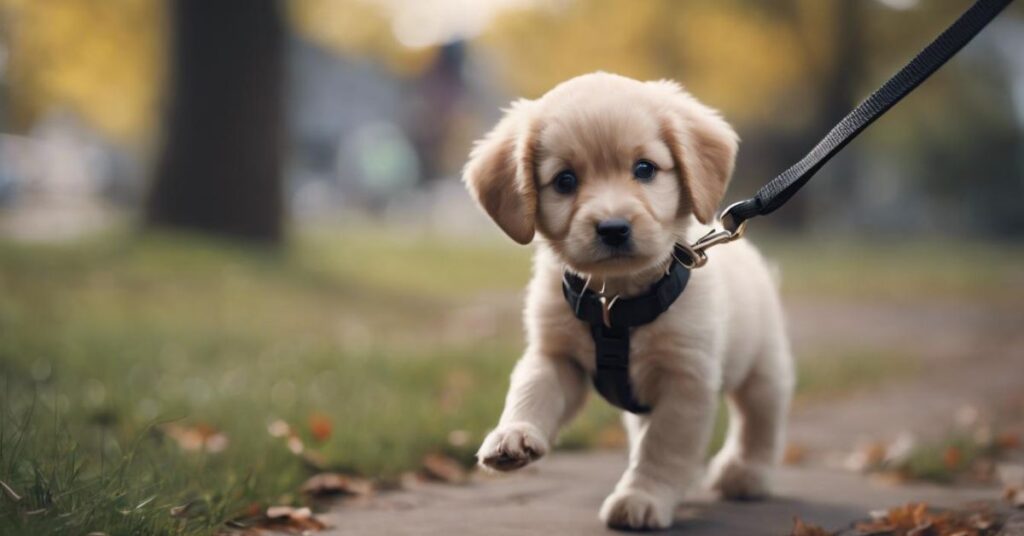
Allow your puppy to wear the harness comfortably before attaching the leash.
Reward your puppy for walking beside you instead of pulling ahead.
If pulling begins, stop walking until the leash relaxes.
Short positive walks create better habits than long frustrating sessions.
Practice regularly to build confidence in different environments.
Puppy Training Tips for Crate Training
Crate training becomes much easier when introduced positively.
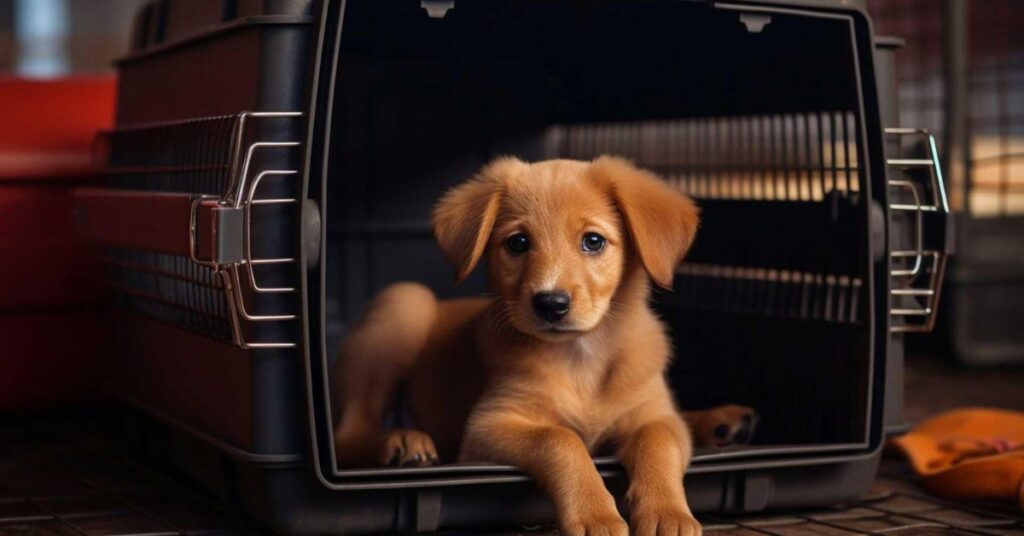
Make the crate comfortable with bedding and safe toys.
Feed meals inside the crate so your puppy develops positive associations.
Leave the crate door open during early sessions.
Gradually increase crate time while staying nearby.
Never use the crate as punishment. Your puppy should view it as a safe resting place.
Many dogs continue using crates happily throughout adulthood.
Puppy Training Tips to Prevent Common Behavior Problems
Several unwanted behaviors can improve with early training.
Excessive barking often decreases when puppies receive enough exercise and mental stimulation.
Jumping on guests can be replaced by teaching “Sit” before greetings.
Digging becomes less common when puppies receive toys and outdoor activities.
Separation anxiety improves through gradual alone-time practice rather than sudden long absences.
Consistency remains the key solution for almost every behavior challenge.
Common Puppy Training Mistakes
Many owners accidentally slow progress.
Changing commands frequently creates confusion.
Long training sessions reduce attention.
Punishment often increases fear instead of learning.
Ignoring good behavior removes valuable teaching opportunities.
Training only once a week limits improvement.
Successful owners reward desired actions immediately and practice every day.
Mistakes and Better Alternatives
| Mistake | Better Choice |
| Punishing accidents | Reward success |
| Long lessons | Short daily practice |
| Inconsistent commands | Use one command only |
| Skipping socialization | Safe positive exposure |
| No rewards | Immediate praise or treats |
Puppy Training Tips for Long-Term Success
The best Puppy Training Tips continue throughout your dog’s life.
Practice commands during walks, meal times, and play sessions.
Introduce new challenges slowly.
Celebrate small improvements.
Exercise both body and mind through games and puzzle toys.
Keep learning enjoyable rather than stressful.
Strong habits built during puppyhood often remain for many years.
Regular veterinary visits also support successful training by identifying health problems that may affect behavior.
Conclusion
Using the right Puppy Training Tips from the beginning creates a happier life for both you and your dog. Positive reinforcement, patience, consistency, and daily practice produce the best results. Every puppy learns at a different pace, so avoid rushing the process.
Focus on building trust instead of demanding perfection. Reward good choices, provide safe experiences, and maintain simple routines. Over time, your puppy will develop confidence, obedience, and excellent manners.
Training never truly ends. Continue practicing throughout adulthood to strengthen skills and maintain a healthy relationship. With dedication and love, your puppy can become a loyal companion that brings joy for many years.
Frequently Asked Questions
What is the best age to start puppy training?
You can begin basic training as soon as your puppy comes home, usually around eight weeks of age. Early lessons help build lifelong habits.
How long should puppy training sessions last?
Young puppies learn best with sessions lasting five to ten minutes. Several short sessions each day work better than one long lesson.
What is the most effective puppy training method?
Positive reinforcement is widely recommended. Rewarding good behavior with treats, praise, or toys encourages puppies to repeat desired actions.
How long does potty training usually take?
Many puppies make good progress within a few months, but the exact time depends on age, consistency, and individual learning speed.
Can older puppies still learn new commands?
Yes. Dogs of all ages can learn new behaviors with patience, regular practice, and positive reinforcement.